
Common Mistakes to Avoid with Pet Products and Housing
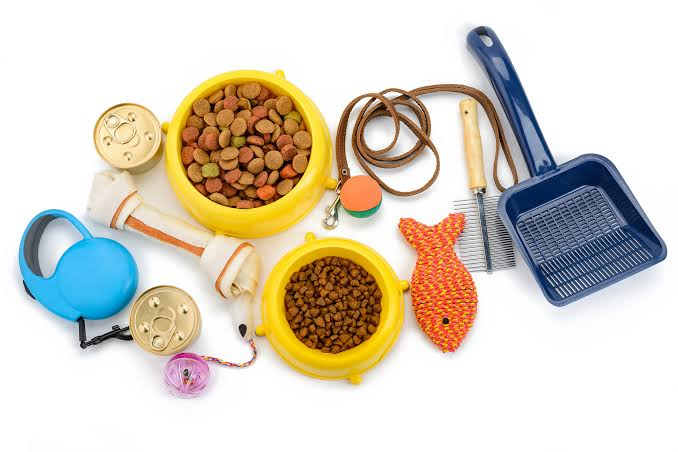
For over two decades, our team has witnessed the same critical errors that can compromise a pet’s wellbeing, often made with the best of intentions. These missteps, spanning from initial purchase to daily husbandry, are surprisingly common and can lead to stress, illness, or even tragedy. In this guide, we draw on our experience since 2002 to highlight the most frequent and damaging oversights we see with pet products and housing, providing clear, actionable advice to help you avoid them and create a safe, enriching environment for your animal companion.
Mistakes in Sizing and Space Allocation
A fundamental error lies in misunderstanding how much room a pet truly needs. While the impulse to provide a spacious environment is correct, many owners underestimate the scale required or fall for pervasive myths. Correct space allocation isn’t a luxury; it’s a cornerstone of physical health and mental stimulation, preventing obesity, boredom, and related behavioural issues.
The Fallacy of the ‘Starter Home’
The concept of a ‘starter home’ for a growing animal is deeply flawed. Purchasing a smaller hutch for a ‘baby bunny’ with the intent to upgrade later often leads to the upgrade being deferred, leaving the animal in chronically inadequate quarters. For rabbits, a proper enclosure is not just about floor space but permanent, uninterrupted access to a large, secure exercise area. The Rabbit Welfare Association & Fund (RWAF) recommends a minimum hutch size of 6ft x 2ft x 2ft, and this should be permanently attached to a secure run of at least 8ft x 4ft. Starting with this full setup from day one is the only responsible approach.
Ignoring Vertical Space for Climbers
For many species, floor area tells only half the story. Animals like ferrets, chinchillas, and some bird species are natural climbers and explorers. A cage that is wide but short fails to meet their ethological needs. Housing for these pets should utilise multiple levels, solid shelves, ramps, and hammocks to create a three-dimensional living space. This vertical complexity encourages natural behaviour, provides crucial exercise, and can make a smaller footprint more effective, though it should not be used as an excuse to minimise the base dimensions.
Overcrowding in Poultry Runs and Aviaries
Overcrowding is a silent stressor that leads to feather pecking, disease spread, and hierarchy disputes. A common mistake is populating a coop based on its box size alone, neglecting the vital run space. As a baseline, each chicken requires a minimum of 10 square feet in the run area, with more being vastly preferable. For rescued ex-battery hens, The British Hen Welfare Trust provides specific guidance on space per bird to aid their rehabilitation, often recommending even more room to accommodate their unique needs and allow natural behaviours like dust-bathing and foraging to emerge.
Errors in Material Choice and Construction
The quality of materials used in your pet’s housing directly impacts their safety and longevity of the product. Opting for cheaper, poorly constructed items can seem economical but often results in higher long-term costs and, more importantly, poses significant risks to your pet’s health.
Compromising on Timber and Treatment
Not all wood is safe for animal housing. Softwoods like pine and cedar, popular for their low cost and pleasant smell, contain aromatic phenols and oils that can cause severe respiratory and liver issues in small animals like rodents, rabbits, and birds. Safe housing uses kiln-dried, untreated spruce or fir, or sealed hardwood. Furthermore, any wood treatment used must be non-toxic and pet-safe; never assume a garden shed treatment is suitable for a hutch your pet will chew.
Inadequate Wire Mesh for Predator Protection
Chicken wire, or ‘poultry netting’, is dangerously weak and should never be the primary security for any outdoor housing. It is designed to keep poultry in, not predators out. A determined UK fox, badger, or mink can rip through it in seconds. Secure housing uses welded mesh (also called weldmesh) with a gauge of at least 16 (1.6mm thick) and a mesh aperture no larger than 1 inch (25mm) to prevent predators from biting through or reaching in. This is a non-negotiable feature for any outdoor run, coop, or hutch.
Selecting the Wrong Substrates and Linings
The materials you place inside the housing are just as critical. Using cat litter or sawdust from unsafe woods in small mammal bedding can cause respiratory distress or blockages if ingested. For reptiles, incorrect substrates can lead to impaction, excessive humidity, or skin infections. For example, calci-sand is notorious for causing fatal impaction in herbivorous reptiles, while cedar shavings are toxic. Always choose species-specific, vet-recommended substrates, and ensure any vivarium linings or sealants are non-toxic and designed for animal enclosures.
Poor Placement and Environmental Control
Even the most perfectly constructed housing can fail if placed in an unsuitable location. The environment surrounding the enclosure is responsible for regulating temperature, humidity, and stress levels, factors that are often overlooked during setup.
Neglecting Exposure to Sun and Draughts
Placing a rabbit hutch in a ‘quiet’ corner that gets full afternoon sun can quickly lead to fatal heatstroke. Conversely, a spot that seems sheltered might be a wind tunnel, causing chilling draughts. Vivariums placed in direct sunlight can overheat uncontrollably, turning into an oven. Outdoor housing requires a location with partial shade, full weather protection, and insulation from the ground. It should be positioned to avoid prevailing winds and the intense midday sun, while still allowing for some natural light and ventilation.
Inconsistent Temperature and Humidity Levels
For many pets, particularly reptiles and amphibians, providing a static environment is a grave error. These animals require a thermal gradient (a warm end and a cooler end) to regulate their body temperature, and often specific humidity cycles. Relying on a single heat mat without a thermostat, or guessing humidity with a misting bottle, leads to metabolic disorders, respiratory infections, and poor digestion. The use of thermostats, hygrometers, and timers is essential, not optional, for creating and maintaining the correct microclimate.
Failing to Consider Stress from Noise and Activity
A seemingly active family area can be a constant source of stress for a prey animal. Placing a guinea pig hutch next to a busy back door or a bird cage opposite a television subjects the animal to unpredictable movements and noises, keeping them in a perpetual state of alert. Consider the pet’s perspective: quiet does not mean unused, but rather a location with consistent, calm activity where they can observe without feeling threatened.
Overlooking Essential Safety and Security Features
Safety features are the details that prevent disaster. They are the difference between a secure night and a devastating predator attack, or between a healthy pet and one injured by its own home.
Inadequate Locking Systems and Latches
A simple hook-and-eye fastener or a turn button is child’s play for intelligent, dexterous predators like the UK red fox. UK predator species like the red fox require exceptionally secure latches on coops and hutches. Effective locking mechanisms include bolt-throw locks, heavy-duty spring-loaded carabiners, or padlocks. These should be used on every access point, no matter how small. The principle is to use locks that require opposable thumbs or complex problem-solving to open, abilities foxes lack.
Internal Hazards and Injury Risks
The interior of a cage or hutch must be scrutinised for dangers. This includes:
- Wire or mesh floors that can cause sore hocks in rabbits.
- Gaps between platforms where a leg could be trapped.
- Sharp edges on cut metal or rough wood splinters.
- Unstable or poorly secured climbing structures that could collapse.
- Loops or openings where a head or collar could get caught.
A thorough inspection before your pet moves in can prevent painful injuries and emergency vet visits.
Poor Protection from Predators and Pests
Security isn’t just about strength above ground. Predators will dig to gain entry, so an unprotected perimeter is an open invitation. A secure outdoor run must have an ‘apron’ or ‘skirt’ of weldmesh buried at least 30cm outwards from the base, or the mesh must continue down into a solid foundation. Furthermore, gaps larger than 1cm can admit rats and weasels, which prey on chicks, eggs, and even small adult birds or mammals. Sealing every gap with weldmesh, not chicken wire, is essential.
Neglecting Maintenance and Hygiene Routines
Hygiene is the ongoing commitment to pet ownership that safeguards health. A poorly maintained environment is a breeding ground for bacteria, parasites, and ammonia fumes, leading to a compromised immune system and disease.
Irregular and Ineffective Cleaning Schedules
Spot-cleaning should be a daily task, removing soiled bedding and waste. A full, deep clean with a suitable disinfectant should follow a regular weekly or fortnightly schedule, depending on the pet and enclosure size. Infrequent cleaning allows ammonia from urine to build up, damaging respiratory tracts, while faecal matter can harbour coccidia and other parasites. A consistent schedule is far more effective and less labour-intensive than sporadic, frantic deep cleans.
Using Harmful Cleaning Chemicals
Household cleaners like bleach, phenols, or strong detergents can leave toxic residues that are lethal to small animals who groom themselves or chew their surroundings. It is imperative to use veterinary-grade disinfectants that are effective yet safe. Pet-safe disinfectant F10 SC is a veterinary-grade product widely recommended by UK reptile specialists and small animal vets. It is effective against a broad spectrum of pathogens, leaves no harmful residue, and is safe for use around most pets when used as directed.
Poor Design for Access and Waste Management
If a hutch is difficult to clean, it will be cleaned less often. Good design incorporates large doors, removable trays, and smooth, non-porous interior surfaces. Consider how you will remove soiled bedding – is the door large enough for a shovel? Does the rabbit hutch have a pull-out tray? Does the chicken coop have easy-clean perches and a droppings board? Investing in well-designed housing from the outset, from brands like Ryedale and Solway renowned in the UK for their well-designed poultry housing, makes the essential chore of maintenance manageable and effective.
Mismatching Products to Your Pet’s Natural Behaviour
The most common pitfall is selecting housing based on human aesthetics rather than animal ethology. A product that looks charming in your garden may be entirely unsuitable for the species it is intended to house, failing to cater to their instinctual needs.
Prioritising Aesthetics Over Animal Ethology
Choosing a beautiful, ornate wrought-iron cage for a chinchilla ignores its need for solid-sided spaces to feel secure and to avoid draughts. A glass tank without modification is a poor choice for many lizards that require cross-ventilation. The housing must facilitate the pet’s natural behaviours, not just complement your décor. Function, safety, and species-appropriate design must always trump visual appeal.
Insufficient Enrichment and Hiding Places
An empty enclosure is a barren prison. All animals require places to hide, feel secure, and express natural behaviours. This means providing multiple hides (at least one at each end of a thermal gradient for reptiles), tunnels for burrowers, chew toys for rodents, and perches at varying heights for birds. Lack of enrichment leads to stress-induced behaviours like pacing, barbering (chewing own fur), or aggression.
Ignoring Species-Specific Needs for Foraging and Digging
Many pets have hardwired needs that the enclosure must accommodate. A tortoise table without a deep area of suitable substrate prevents natural digging and brumation behaviours. Foraging is a major part of a bird’s or rodent’s day; simply placing food in a bowl misses a critical opportunity for mental stimulation. Incorporate deep substrate layers, scatter feed, use puzzle feeders, and provide safe, diggable materials to allow these innate behaviours, which are crucial for mental wellbeing.
In conclusion, we emphasise that investing time in research and quality products from specialist suppliers is the most responsible step towards ensuring your pet’s long-term health and happiness. Avoiding these common mistakes requires a shift from seeing housing as a ‘product’ to understanding it as a dynamic component of your pet’s overall welfare. By prioritising their biological and behavioural needs from the outset, you lay the foundation for a thriving, contented animal companion.
Frequently Asked Questions
Is a 4ft hutch really too small for my single rabbit?
Yes, absolutely. The widely cited minimum by the Rabbit Welfare Association & Fund (RWAF) is 6ft x 2ft x 2ft for the hutch itself, and this must be permanently attached to a much larger, secure run. A 4ft hutch does not provide enough space for a rabbit to take three full hops, stretch out, or exhibit natural behaviours. It condemns them to a life of physical restriction and boredom, leading to health and behavioural problems.
What is the single most important security feature for outdoor housing in the UK?
The most critical feature is the use of heavy-duty welded mesh (16 gauge, 1″ aperture) instead of flimsy chicken wire, combined with a properly secured locking mechanism on every door. UK foxes are intelligent, strong, and persistent. The mesh provides the structural integrity to resist attack, while a robust lock (like a bolt-throw or padlock) prevents them from figuring out how to open latches. An underground mesh apron to prevent digging is equally vital.
Can I use a dog crate or bird cage for my ferret or chinchilla?
While a large dog crate can be a useful temporary carrier or playpen, it is not suitable as permanent housing for these species. Ferrets and chinchillas require multi-level enclosures with solid flooring, numerous sleeping areas (hammocks, hanging beds, enclosed hides), and space for a large, separate litter tray. Most dog crates and bird cages lack the necessary vertical complexity, secure doors that can withstand clever escape attempts, and appropriate bar spacing to prevent injury.
How often should I completely disinfect my pet’s vivarium or cage?
The frequency depends on the species and setup. For most small mammals (rabbits, rodents), a full disinfect with a product like F10 SC should be done every 4-6 weeks, with weekly changes of all bedding and daily spot cleaning. For reptile vivariums, a full breakdown and disinfect is typically recommended every 3-4 months, but this varies with the bioactivity of the setup. Always remove the animal, clean all surfaces and decor thoroughly with a pet-safe disinfectant, rinse well, and allow to dry completely before reassembling.
Are expensive branded hutches and coops really worth the investment?
In almost all cases, yes. Reputable UK brands like Ryedale, Solway, or Eglu invest in research, use superior materials (safe timber, predator-proof weldmesh, non-toxic treatments), and design for animal welfare and owner convenience. They incorporate features like easy-clean trays, proper ventilation, and secure locks that cheaper, generic models often lack. This translates to a safer, healthier environment for your pet and a product that will last for many years, providing better value over time and, most importantly, peace of mind.